Cast Iron vs. Stainless Steel vs. Carbon Steel: Which Pan Is Best for Cooking?
If you’ve ever felt overwhelmed trying to choose cookware, you’re not alone.
Cast iron, stainless steel, carbon steel, they all look similar at a glance, they’re all praised online, and everyone seems convinced their pan is the best. The truth is simpler than that:
Each one does something really well.
The mistake is expecting one pan to do everything.
Here’s how I actually think about cast iron vs. stainless steel vs. carbon steel, when I use each in my own kitchen, and which one makes sense for different styles of cooking.
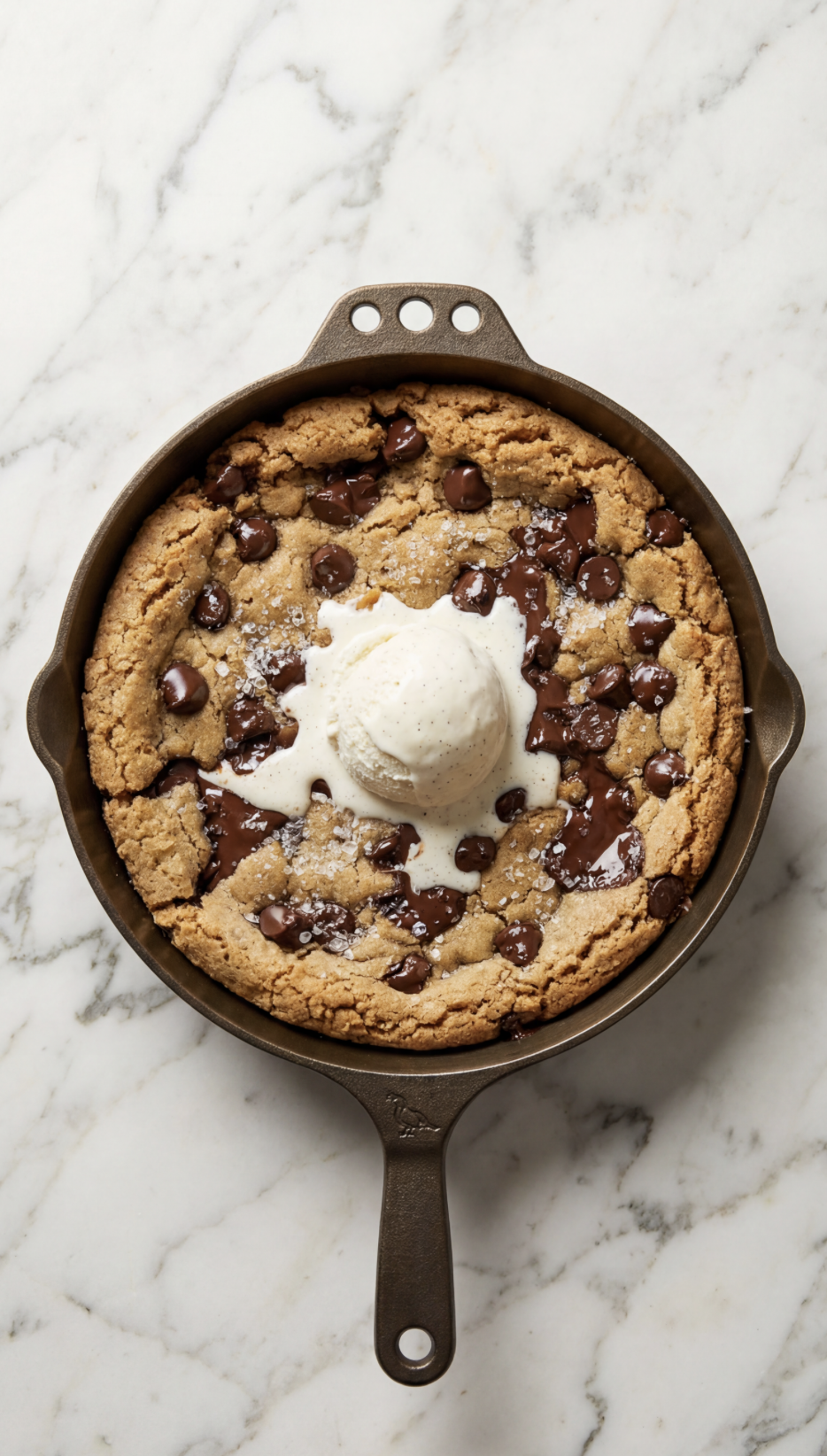
Cast Iron: For Deep Flavor & Cozy Cooking
Cast iron is heavy, slow to heat, and incredibly satisfying once you get the hang of it. It’s the pan I reach for when I want food to feel rustic and comforting.
Once seasoned, cast iron becomes naturally nonstick and holds heat better than almost anything else.
Best Uses for Cast Iron
Crispy potatoes
Searing steak or chicken thighs
Skillet dinners
Baking cornbread or desserts
Pros
Incredible heat retention
Naturally nonstick when seasoned
Oven-safe and long-lasting
Adds flavor over time
Cons
Heavy
Needs maintenance
Not ideal for acidic foods (tomatoes, wine)
When I Use It
When I want texture, crust, and comfort-food energy, cast iron is the answer.
Stainless Steel: The Most Versatile Everyday Pan
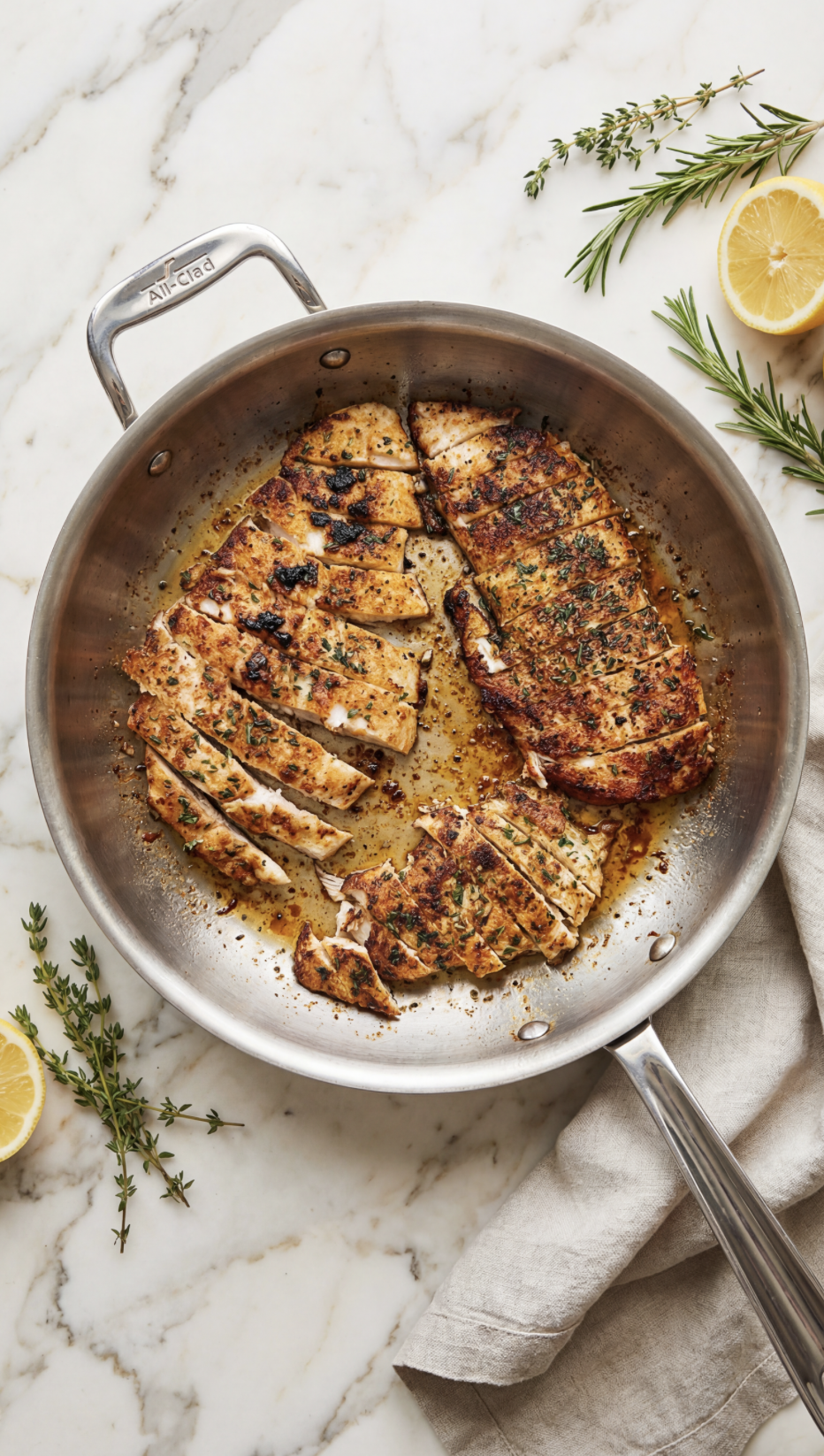
If I could only keep one type of pan, it would be stainless steel.
Stainless steel handles almost everything: high heat, sauces, acidic ingredients, and one-pan meals. It does have a learning curve, but once you understand preheating, it becomes incredibly reliable.
Best Uses for Stainless Steel
Searing proteins
Pan sauces
One-pan chicken dishes
Cooking with tomatoes, lemon, or wine
Pros
Extremely durable
Even heat distribution
Oven-safe
No coating to wear off
Cons
Food can stick if not preheated properly
Less forgiving for beginners
When I Use It
This is my default pan, the one that lives on my stovetop most days.
Carbon Steel: The Best of Both Worlds
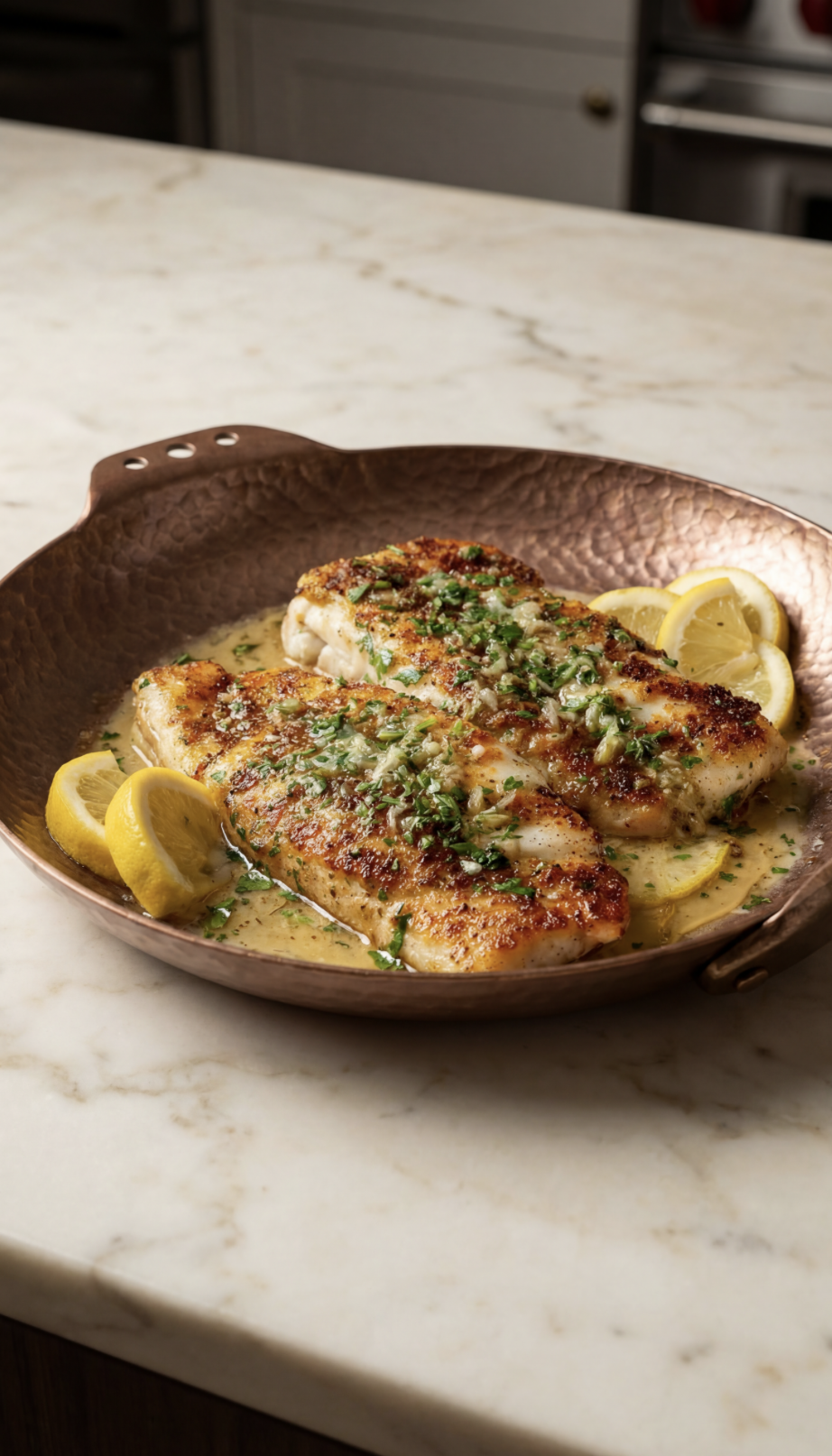
Carbon steel is often described as a cross between cast iron and stainless steel — and that’s exactly how it behaves.
It’s lighter than cast iron, heats faster, and becomes naturally nonstick as it’s seasoned. Professional kitchens love carbon steel because it responds quickly to heat changes.
Best Uses for Carbon Steel
Eggs and omelets
Stir-fries
Fish
Quick sautés
High-heat cooking
Pros
Lighter than cast iron
Heats up quickly
Naturally nonstick with seasoning
Great heat control
Cons
Needs seasoning and care
Can react with acidic foods
Not dishwasher-safe
When I Use It
Carbon steel is my go-to when I want speed and control, especially for everyday meals that still need good browning.
So… Which One Should You Choose?
Instead of asking “Which pan is best?”, I ask:
Do I want deep flavor and crust? → Cast iron
Do I want versatility and reliability? → Stainless steel
Do I want fast, responsive cooking? → Carbon steel
Each pan solves a different problem and that’s why they coexist in my kitchen.
If You’re Building Your Cookware Collection
Start with:
Stainless steel skillet (most versatile)
Carbon steel pan (fast and forgiving once seasoned)
Cast iron skillet (for comfort and high heat)
You don’t need duplicates, you need purpose.
Shop the Pans I Use & Recommend
I’ve linked the exact styles of pans I cook with so you can choose what fits your cooking style best. Whether you love slow, cozy meals or quick weeknight dinners, the right pan makes all the difference.
Cooking feels easier and more enjoyable when your tools actually work with you.
Pia